
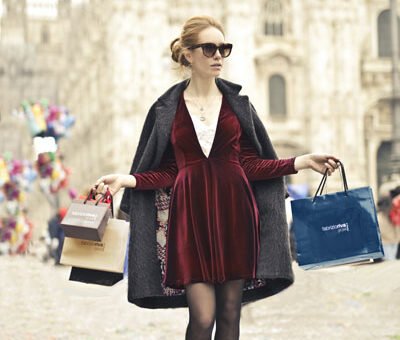

Europe remains one of the world’s most important centres for fashion, apparel, textiles, luxury goods and clothing retail. From the luxury houses of Paris and Milan to textile mills in Italy and Portugal, global fashion retailers in Spain and Sweden, sourcing businesses across the continent and major consumer markets such as Germany, France and the United Kingdom, the European fashion industry has enormous international influence.
But the apparel industry in Europe in 2026 is undergoing significant change.
Consumers are more price-conscious. E-commerce and low-cost cross-border imports are putting pressure on established retailers. Artificial intelligence is changing product discovery and merchandising. Apparel companies are reassessing sourcing strategies, while new European Union rules are pushing fashion businesses toward greater traceability, circularity and better management of unsold inventory.
Europe therefore remains a highly attractive apparel market—but succeeding in it increasingly requires understanding not only fashion trends, but also buyers, sourcing, sustainability, regulation and technology.
How Big Is the Apparel and Textile Industry in Europe?
The European textile and clothing industry remains a major industrial ecosystem.
According to EURATEX, the EU-27 textile and clothing sector represents approximately €166 billion in annual turnover, 1.2 million jobs and nearly 200,000 companies in 2026.
The industry also has an enormous international trading footprint. EU textile and clothing imports from countries outside the bloc stand at approximately €122 billion, while exports are approximately €61 billion.
Around one-third of textile and clothing products sold in Europe are manufactured in China, illustrating how deeply European fashion remains connected to international supply chains.
Consumer demand is also substantial.
Europe imported approximately €180.5 billion worth of apparel in 2024, representing around 29.3 billion clothing items, according to the Centre for the Promotion of Imports from developing countries. European apparel imports grew by an average of approximately 3.9% annually between 2019 and 2024.
Growth, however, has slowed.
GlobalData forecasts European apparel market growth of around 1.4% in 2026, reflecting a mature market where consumers remain cautious and volume growth is limited.
This combination—enormous consumption but relatively slow overall growth—makes Europe a valuable but highly competitive apparel market.
State of the European Fashion Industry in 2026
The European fashion business spans everything from haute couture and luxury goods to fast fashion, sportswear, workwear, technical textiles, independent brands and mass-market clothing.
France and Italy remain global centres of luxury fashion.
Spain is home to some of the world’s largest fashion retail businesses.
Germany is an important consumer, retail and sportswear market.
The United Kingdom remains one of Europe’s largest individual fashion markets and an important centre for design, retail and fashion education.
Portugal has developed a strong reputation for high-quality garment and textile manufacturing, particularly for brands looking for European production.
Türkiye also plays a major role in supplying the European apparel market because of its large textile and garment manufacturing base and geographic proximity to EU consumers.
Central and Eastern European countries continue to participate in apparel manufacturing and supply chains as well.
However, 2026 is not an easy year for European producers.
EURATEX reports that during the first quarter of 2026, EU textile turnover fell around 3% year over year, while clothing turnover declined around 4.2%. Textile production fell 4.2% and clothing production fell 5.1%.
Weak demand, high production costs and competition from lower-cost imports remain significant challenges.
Leading Fashion and Clothing Brands in Europe
Europe is home to an extraordinary concentration of internationally recognised fashion companies.
Zara and Inditex – Spain
Zara is the flagship brand of Spanish fashion group Inditex and remains one of the world’s most influential fashion retailers.
The company’s rapid product-development and supply-chain model helped redefine modern fashion retailing.
Inditex also operates brands including Bershka, Pull&Bear, Massimo Dutti, Stradivarius and Oysho.
H&M – Sweden
Swedish company H&M is another major European fashion retailer with a substantial international presence.
Its business spans mass-market fashion as well as other brands and concepts within the H&M Group.
Louis Vuitton – France
Louis Vuitton is one of the world’s most recognisable luxury brands and part of French luxury group LVMH.
Paris remains central to the global luxury fashion industry, with French houses influencing apparel, leather goods, accessories, fragrances and high fashion.
Chanel – France
Chanel is another of France’s most influential luxury fashion houses, particularly associated with haute couture, ready-to-wear, handbags, fragrance and accessories.
Hermès – France
Hermès has built its reputation around craftsmanship, exclusivity, leather goods, fashion and luxury accessories.
Gucci – Italy
Italian luxury house Gucci remains one of Europe’s best-known global fashion brands and forms part of Kering.
Prada – Italy
Prada is another major Italian luxury company, recognised internationally for fashion, footwear, bags and accessories.
Burberry – United Kingdom
Burberry is one of Britain’s most famous luxury fashion houses and is closely associated with outerwear and British design heritage.
Adidas – Germany
Germany’s Adidas is one of the world’s largest sportswear companies and demonstrates that Europe’s influence extends well beyond luxury and traditional fashion.
Primark – Ireland
Irish retailer Primark has developed a large European retail footprint around value-oriented fashion and physical stores.
Mango – Spain
Barcelona-based Mango has grown into an international fashion business serving numerous global markets.
Europe therefore operates across almost every part of the apparel spectrum—from affordable fashion to some of the world’s most expensive luxury products.
Apparel Manufacturers in Europe
European apparel manufacturing has changed considerably over several decades.
Large volumes of basic garment production shifted to lower-cost manufacturing countries in Asia and elsewhere, but Europe retains significant expertise in specialised and higher-value manufacturing.
Important apparel and textile manufacturing locations include parts of:
- Italy
- Portugal
- Spain
- France
- Germany
- Romania
- Poland
- Bulgaria
- Türkiye
- Lithuania
- other Central and Eastern European countries
Italy is particularly associated with premium textiles, luxury manufacturing, leather goods, tailoring and craftsmanship.
Portugal has developed a strong position in high-quality knitwear, jersey, footwear and garment production.
Türkiye combines a large textile industry with proximity to European markets, making it attractive for brands requiring shorter transportation times than many Asian sourcing destinations.
Eastern European manufacturing can also provide nearshore production for European fashion companies.
Nearshoring Is Becoming More Important
One of the biggest sourcing themes in 2026 is nearshoring.
For many years, purchasing decisions were dominated primarily by production cost.
That is changing.
Fashion companies now evaluate suppliers using a broader set of considerations:
- manufacturing cost
- delivery time
- minimum order quantity
- product quality
- technical capability
- tariff exposure
- political risk
- shipping reliability
- environmental requirements
- traceability
- ability to respond quickly to demand
Producing closer to European consumers can reduce transportation times and allow brands to respond faster when a particular style begins selling well.
This does not mean Europe will replace Asian garment production.
Instead, many companies are creating diversified sourcing models in which high-volume basics might be produced in one region while fast-response, premium or specialised collections are sourced closer to Europe.
Recent sourcing developments demonstrate this shift. Apparel manufacturers serving international fashion brands are exploring additional production locations closer to Europe as buyers diversify their supply chains and attempt to reduce logistics and geopolitical risk.
Apparel Suppliers in Europe
The European apparel supply chain includes far more than finished-garment factories.
Apparel suppliers can include:
- fabric manufacturers
- spinning mills
- knitting mills
- weaving mills
- dyeing and finishing businesses
- printing companies
- embroidery companies
- button manufacturers
- zipper manufacturers
- label suppliers
- packaging companies
- pattern makers
- garment factories
- sample rooms
- leather suppliers
- testing laboratories
- logistics providers
- recycling companies
- fashion technology providers
Many European suppliers compete through quality, innovation, technical expertise, smaller minimum order quantities and faster response times, rather than trying to become the world’s cheapest manufacturers.
For premium and luxury fashion companies, access to specialised craftsmanship remains one of Europe’s greatest strengths.
Textile Industry in Europe
Europe has centuries of textile manufacturing knowledge.
Today, the industry combines traditional expertise with highly technical applications.
European textile companies manufacture materials for fashion as well as automotive applications, healthcare, construction, agriculture, defence, sports, protective equipment and other specialised industries.
Common materials produced or processed within European textile supply chains include cotton, wool, linen, silk, polyester, nylon, viscose, leather, denim, technical textiles and blended fabrics.
Europe is particularly well known for several specialised textile traditions.
Italy has an international reputation for premium wool, silk, fashion fabrics and textile finishing.
Belgium, France and parts of Western Europe have strong linen traditions.
Portugal has significant knitting and garment-making expertise.
The United Kingdom and Italy have long histories of wool and luxury textile production.
European companies are also developing more technical fabrics, recycled fibers and advanced textile products as the industry moves toward higher-value manufacturing.
European Fashion Buyers
Fashion buyers remain one of the most important links between manufacturers and consumers.
A fashion buyer in Europe decides which products should be purchased by a retailer, department store, e-commerce company, boutique or fashion business.
Buyers are responsible for much more than identifying attractive clothing.
Modern buying teams analyse:
- previous sales
- consumer behaviour
- fashion trends
- competitor products
- retail prices
- margins
- inventory
- return rates
- seasonal demand
- supplier performance
- sustainability requirements
They also negotiate with suppliers, allocate budgets, plan assortments and coordinate deliveries.
Large retailers may employ dedicated category buyers for women’s fashion, menswear, childrenswear, footwear, lingerie, accessories, denim, sportswear and numerous other categories.
European e-commerce companies also employ buyers and merchandising teams responsible for products sold online.
How to Contact Clothing and Fashion Buyers in Europe
For apparel manufacturers, exporters and fashion brands, finding the correct buyer is usually more important than sending a large number of generic emails.
Start by identifying companies that already sell products similar to yours.
Then find the appropriate professional.
Possible job titles include:
Fashion Buyer, Apparel Buyer, Category Buyer, Senior Buyer, Buying Manager, Head of Buying, Merchandise Manager, Sourcing Manager, Procurement Manager or Product Manager.
Use Professional Buyer Databases
Industry databases can help manufacturers identify relevant apparel companies and buyer contacts.
A specialised database can be particularly useful when trying to enter several European countries because manually finding and verifying individual contacts is time-consuming.
Use LinkedIn
LinkedIn remains useful for researching people working in buying, merchandising, sourcing and procurement.
Rather than immediately sending a sales pitch, first understand the buyer’s role and company.
Contact Retailers Directly
Large fashion companies often maintain corporate websites containing supplier, sourcing or business contact information.
Independent boutiques may be easier to approach through direct email or telephone contact.
Attend Apparel Trade Shows
Trade fairs remain one of the best ways to meet professional buyers because participants are already attending specifically to discover products, suppliers or business opportunities.
Prepare Before Contacting Buyers
Before contacting a buyer, have your basic commercial information ready:
- product categories
- catalogue or line sheet
- wholesale prices
- minimum order quantity
- production capacity
- sample availability
- manufacturing location
- lead times
- certifications
- existing markets
- shipping capability
A short, personalised email supported by a professional line sheet will usually create a better impression than a long generic sales message.
How to Find Clothing Suppliers in Europe
Brands looking for European clothing manufacturers should begin with clear product requirements.
Before approaching factories, determine:
- garment type
- expected quantity
- target price
- fabric composition
- sizes
- construction requirements
- printing or embroidery requirements
- packaging
- certifications
- delivery destination
- target production date
European sourcing events are particularly useful because buyers can examine fabrics and garments directly and compare manufacturers.
Industry associations and local textile clusters can also provide supplier information.
Portugal, Italy, Türkiye and several Eastern European countries have manufacturing communities specialising in different types of garments.
Do not select suppliers based solely on the lowest quotation.
Sample quality, communication, lead time, reliability, compliance and the manufacturer’s experience producing your specific product can be much more important.
E-Commerce and Online Fashion in Europe
Online fashion is now a permanent part of European retail.
European consumers buy clothing through brand websites, retailer websites, online marketplaces, mobile applications and increasingly through social platforms.
One 2026 market estimate puts the European e-commerce apparel market at approximately $131 billion, with forecasts suggesting continued growth through 2031.
Major platforms and retailers have helped train consumers to expect extensive product selections, convenient payment options, quick delivery and straightforward returns.
But online fashion creates challenges as well.
High return rates can damage profitability. Paid customer acquisition has become expensive. Competition is enormous, and consumers can compare products across several retailers almost instantly.
Successful fashion e-commerce therefore depends on more than simply uploading products.
Brands need good photography, accurate sizing, strong product information, fast websites, reliable delivery and an efficient returns process.
Low-Value Imports Are Creating New Pressure
One of the most significant changes affecting European fashion businesses is the enormous growth of direct-to-consumer international e-commerce.
EURATEX reports that the volume of low-value parcels entering Europe has quadrupled since 2022, with average import prices below €9 per item.
European manufacturers argue that this creates difficult competition because domestic companies must comply with European environmental, social and product requirements while competing against extremely low-priced imported products.
The growth of ultra-fast fashion has therefore become both a commercial and regulatory issue in Europe.
Sustainability Is Becoming Regulation
Perhaps the biggest difference between Europe’s apparel industry in 2026 and only a few years ago is that sustainability is increasingly moving from voluntary marketing into regulation.
The European Union is creating a more circular framework for textiles in which durability, repairability, recycling, waste management and product information become increasingly important.
Ban on Destroying Unsold Clothing
From July 19, 2026, large companies in the European Union are prohibited from destroying unsold clothing, clothing accessories and footwear.
Instead, companies are expected to prioritise keeping usable products in circulation through options such as sale, reuse and other appropriate channels.
Medium-sized companies are scheduled to become subject to the prohibition from 2030.
This rule could have important consequences for inventory planning.
Fashion companies traditionally producing large quantities and later disposing of unsold stock now have a stronger incentive to forecast demand accurately and avoid overproduction.
Digital Product Passports and Fashion
Another major development occurred on July 20, 2026, when the European Commission launched its Digital Product Passport Registry.
A Digital Product Passport, or DPP, is designed to provide structured information about a product and improve transparency throughout the supply chain.
Textiles are among the product categories expected to be covered by the broader Ecodesign framework.
For the apparel industry, Digital Product Passports could eventually make information such as materials, manufacturing, care, repairability, recycling and supply-chain data easier to access.
This has major implications for manufacturers and suppliers outside Europe as well.
A garment factory in India, Bangladesh, Vietnam or another sourcing country supplying a European brand may increasingly be asked to provide detailed production and material information required by the buyer.
European regulation therefore influences apparel manufacturing far beyond Europe’s borders.
Extended Producer Responsibility for Textiles
The EU is also introducing common Extended Producer Responsibility, or EPR, rules for textiles.
The revised Waste Framework Directive entered into force in October 2025 and established a European framework under which producers will take greater responsibility for textile waste.
The direction of travel is clear:
Fashion companies selling products into Europe need to think increasingly about what happens to a garment not only before and during its sale, but also at the end of its useful life.
Circular Fashion and Textile Recycling
Europe’s move toward circular fashion is creating opportunities for an entirely new generation of companies.
These include businesses involved in:
- garment resale
- textile collection
- repair
- sorting
- fiber-to-fiber recycling
- recycled materials
- traceability
- product authentication
- circular-design software
However, textile-to-textile recycling remains at a relatively early stage.
Recent analysis indicates that less than 1% of textile material currently returns to the system through fiber-to-fiber recycling, demonstrating both the scale of the problem and the commercial opportunity.
Europe may require billions of euros of additional investment in recycling infrastructure as circular-economy requirements expand.
Fashion Technology and AI in Europe
Fashion technology has moved well beyond virtual fashion shows.
In 2026, some of the most commercially useful technologies are much less dramatic—but potentially more valuable.
Fashion companies increasingly use technology for:
- demand forecasting
- inventory optimisation
- AI-assisted product discovery
- customer service
- product recommendations
- merchandising
- trend analysis
- digital product development
- 3D sampling
- virtual try-on
- RFID inventory tracking
- supply-chain traceability
- warehouse automation
- computer-aided design
- digital printing
AI is particularly important because one of fashion’s biggest financial problems has always been predicting what consumers will want months before products reach stores.
Better forecasting can help brands produce closer to actual demand.
That could reduce markdowns, excess inventory and unsold products—objectives that also align with Europe’s growing circular-economy regulations.
Fashion Trends in Europe in 2026
Europe does not have one single fashion trend.
Paris, Milan, London, Copenhagen, Berlin, Madrid and other fashion centres all have their own influences.
However, several broader themes are visible across European fashion.
Value-Conscious Shopping
Consumers are paying much closer attention to whether a product justifies its price.
Value does not necessarily mean buying the cheapest fashion.
It can mean choosing a better-quality garment, buying fewer items, waiting for discounts or purchasing secondhand.
Resale and Vintage Fashion
Vintage and secondhand clothing continue moving into mainstream fashion.
Resale gives consumers access to premium and designer products at lower prices while also supporting a more circular model of consumption.
Sportswear and Athleisure
Technical clothing, sneakers, performance apparel and sports-inspired fashion remain significant.
Quiet and Understated Design
While bold fashion continues to have an audience, clean silhouettes, wearable colors and less logo-heavy products remain an important part of European premium fashion.
Individual Styling
Consumers increasingly combine luxury, affordable fashion, vintage pieces and sportswear rather than dressing entirely within one category.
This makes personal styling more important than simply following a single seasonal trend.
Luxury Fashion in Europe
Europe remains the spiritual and commercial centre of global luxury fashion.
Paris and Milan in particular are home to some of the industry’s most influential houses.
Luxury has experienced difficult conditions in recent years, but 2026 is showing signs of improvement.
Bain & Company expects global personal luxury goods sales to return to approximately 2%–4% growth in 2026, potentially reaching €365 billion to €373 billion.
European luxury companies are nevertheless adapting to more selective consumers.
Large price increases cannot automatically generate growth. Brands increasingly need to demonstrate craftsmanship, heritage, exclusivity, creativity and meaningful product value.
Traditional Clothing of Europe
Europe’s fashion heritage is extraordinarily diverse.
Traditional clothing varies considerably by country and region.
Well-known examples include the Scottish kilt, traditionally associated with tartan and Scottish identity; the dirndl, associated particularly with Austria and Bavaria; and lederhosen, traditionally worn in Alpine regions.
Norway has its distinctive bunad traditions, while many countries across Eastern, Southern and Northern Europe maintain regional folk costumes incorporating embroidery, weaving and local textile techniques.
Traditional clothing should not be treated merely as costume.
In many regions, these garments remain connected to cultural identity, ceremonies, festivals and craftsmanship.
The techniques used in historic European clothing—tailoring, weaving, leatherwork, lace, embroidery and knitting—have also contributed to the development of Europe’s modern fashion industry.
Best Fashion Schools in Europe
Europe contains some of the world’s most respected fashion institutions.
Leading names include:
Central Saint Martins – London, United Kingdom
Central Saint Martins has produced numerous internationally recognised designers and remains one of Europe’s most influential fashion schools.
London College of Fashion – London, United Kingdom
Part of University of the Arts London, London College of Fashion offers programmes covering fashion design, business, communication, technology and related disciplines.
Royal Academy of Fine Arts Antwerp – Belgium
Antwerp’s fashion department has played an important role in European avant-garde fashion and is internationally recognised for its design education.
Polimoda – Florence, Italy
Located in one of Europe’s major fashion-production regions, Polimoda offers programmes in fashion design, business and related subjects.
Istituto Marangoni – Italy and Other Locations
Istituto Marangoni has a long history in fashion education and offers programmes covering design, styling and fashion business.
ESMOD – Paris, France
ESMOD has deep roots in French fashion education and offers fashion-design and business programmes.
Students should compare schools using more than rankings.
Course structure, industry connections, internships, tuition, location, specialisation and graduate outcomes should all influence the final decision.
How to Market a Fashion Brand in Europe
Europe should never be treated as one uniform consumer market.
A campaign that performs well in France may need significant adaptation for Germany, Italy, Spain, Scandinavia or the United Kingdom.
Successful fashion brands generally begin with clear positioning.
Consumers should quickly understand:
Who is this brand for, and why should they choose it?
Important marketing channels include:
- search engines
- social media
- influencers and creators
- fashion publications
- digital advertising
- e-commerce marketplaces
- email marketing
- public relations
- physical retail
- pop-up stores
- trade shows
- wholesale partnerships
Localisation is particularly important in Europe.
Product descriptions, advertising, sizing information, shipping conditions, returns and customer service may need to be adapted to different languages and markets.
Search engine optimisation is also valuable because consumers routinely search for products by style, material, occasion, color, size, brand and location.
Brands should combine SEO with structured product information, original photography and detailed descriptions so their products can also be understood by emerging AI-assisted shopping systems.
Famous European Fashion Designers
Europe has produced many of history’s most influential fashion designers.
Coco Chanel transformed women’s fashion and helped establish Chanel as one of France’s defining fashion houses.
Christian Dior reshaped post-war fashion and established a house that remains central to French luxury.
Yves Saint Laurent influenced modern women’s fashion through his combination of couture and ready-to-wear ideas.
Giorgio Armani became internationally famous for sophisticated Italian tailoring and understated luxury.
Miuccia Prada has had enormous influence on modern Italian fashion through Prada and Miu Miu.
Alexander McQueen became one of Britain’s most influential designers through his dramatic and technically accomplished work.
Vivienne Westwood played a major role in the development of British punk and alternative fashion.
Cristóbal Balenciaga, born in Spain, remains one of the most celebrated couturiers in fashion history.
Europe’s fashion influence continues through new generations of designers working in both established houses and independent brands.
Jobs in the Apparel and Fashion Industry in Europe
The European fashion industry supports careers across creative, commercial, manufacturing and technical fields.
Common roles include:
- Fashion Designer
- Textile Designer
- Technical Designer
- Pattern Maker
- Fashion Buyer
- Merchandise Planner
- Product Developer
- Sourcing Manager
- Production Manager
- Quality Manager
- Fashion Stylist
- Photographer
- E-commerce Manager
- Digital Marketer
- Fashion PR Specialist
- Sustainability Manager
- Supply-Chain Analyst
- Textile Engineer
- Data Analyst
- AI and Fashion Technology Specialist
Traditional skills remain important, but digital knowledge is becoming increasingly valuable.
A modern fashion buyer may need strong spreadsheet and analytical skills. Designers increasingly work with 3D and digital-development tools. Sustainability teams need supply-chain data, while e-commerce teams require expertise in search, analytics and conversion optimisation.
The future European fashion workforce is therefore likely to combine traditional fashion knowledge with technology and data.
Major Apparel and Fashion Trade Shows in Europe in 2026
Europe hosts some of the world’s most influential apparel, textile and fashion events.
Several important events are taking place immediately after the publication of this article.
Texworld Apparel Sourcing Paris
August 31 – September 2, 2026
Paris-Le Bourget, France
Texworld Apparel Sourcing Paris brings together textile and garment manufacturers from around the world.
The August–September 2026 edition is expected to bring together more than 1,000 international exhibitors, giving professional buyers access to fabrics, raw materials, finished garments and apparel-sourcing companies.
For apparel buyers and brands actively searching for manufacturers, this is one of Europe’s most relevant sourcing events.
Première Vision Paris
September 1–3, 2026
Paris Nord Villepinte, France
Première Vision Paris is one of the world’s important premium fashion-material sourcing events.
The September 2026 edition expects approximately 20,000 fashion professionals from around 130 nationalities and focuses on materials, fashion sourcing, innovation and technology.
London Fashion Week
September 17–21, 2026
London, United Kingdom
London Fashion Week will run from September 17 to September 21, 2026, with a programme of established and emerging designers.
The British Fashion Council describes the event as an international platform for creativity, culture and commercial growth.
Paris Fashion Week – Womenswear Spring/Summer 2027
September 28 – October 6, 2026
Paris, France
The official Paris Fashion Week Spring/Summer 2027 womenswear schedule runs from September 28 through October 6, 2026.
Pitti Uomo
The summer 2026 edition of Pitti Uomo took place in Florence from June 16–19.
The event showcased around 740 collections, attracted approximately 11,030 buyers, and recorded more than 14,500 total visitors, reinforcing Florence’s importance within international menswear.
Trade-show dates can change, so businesses planning to attend should always verify the latest information with the official organiser before booking travel.
Opportunities for Apparel Exporters Selling to Europe
Europe continues to present significant opportunities for garment manufacturers outside the region.
International suppliers can compete in areas such as:
- women’s clothing
- menswear
- childrenswear
- knitwear
- denim
- sportswear
- outerwear
- workwear
- sustainable apparel
- organic clothing
- private-label manufacturing
- accessories
- specialised garments
However, European buyers increasingly expect more than a low price.
Suppliers should be prepared to demonstrate:
- consistent quality
- manufacturing capacity
- reliable delivery
- transparent sourcing
- required certifications
- testing capability
- social compliance
- environmental compliance
- product traceability
European sustainability and product regulations will make documentation increasingly important.
The manufacturers that maintain accurate information about fabrics, chemicals, production facilities, certifications and product origins should be better positioned as traceability requirements expand.
Future of the Apparel Industry in Europe
The next stage of European fashion will probably be shaped by five major forces.
First, value. Consumers will continue questioning whether products justify their prices.
Second, regulation. Digital Product Passports, circularity rules, textile waste requirements and restrictions on destroying unsold stock will influence product development and inventory management.
Third, technology. AI, forecasting, digital product development and supply-chain tools will become increasingly embedded in everyday fashion operations.
Fourth, sourcing diversification. Fashion companies will continue balancing Asian production with Türkiye, North Africa, Eastern Europe and other manufacturing locations closer to European consumers.
Fifth, circular fashion. Resale, repair, recycling and more durable products are likely to occupy an increasingly important part of the market.
Europe will therefore remain a powerful fashion market, but simply producing more clothing is unlikely to be the winning strategy.
The competitive advantage will increasingly come from producing the right product, in the right quantity, at the right quality and price—with enough supply-chain information to meet Europe’s evolving regulatory requirements.
Conclusion
The apparel and fashion industry in Europe in 2026 remains one of the world’s most important clothing and textile ecosystems.
The EU textile and clothing industry alone represents around €166 billion in annual turnover, 1.2 million jobs and nearly 200,000 companies.
Europe is also home to some of the world’s most influential fashion brands, luxury houses, designers, textile mills, buyers, retailers and trade events.
Yet the industry is changing quickly.
Consumers are demanding value. Low-cost international e-commerce is increasing competition. AI is changing product discovery and inventory planning. Nearshoring is altering sourcing decisions. Sustainability is turning into formal regulation, and circular fashion is beginning to reshape what happens to garments after their first sale.
For apparel manufacturers, suppliers, exporters and fashion brands looking for business in Europe, this creates both challenges and opportunities.
Those capable of combining competitive products with quality, reliable delivery, traceability and stronger environmental performance will be best positioned for the European fashion market of the future.
Frequently Asked Questions
How big is the textile and clothing industry in Europe?
The EU-27 textile and clothing sector represents approximately €166 billion in annual turnover, supports about 1.2 million jobs and includes nearly 200,000 companies, according to EURATEX’s 2026 industry figures.
Which European countries are important for the fashion industry?
France, Italy, Spain, Germany and the United Kingdom are major fashion and consumer markets, while countries such as Portugal, Türkiye and several Central and Eastern European countries also play important roles in textile and garment manufacturing.
How can apparel manufacturers find buyers in Europe?
Manufacturers can use professional buyer databases, LinkedIn, retailer research, industry associations, sourcing agents and major trade events such as Texworld Apparel Sourcing Paris and Première Vision Paris.
What are the biggest European fashion trends in 2026?
Important themes include value-conscious purchasing, resale and vintage fashion, sportswear, individual styling, AI-assisted shopping, sourcing diversification, product traceability and circular fashion.
What is changing in EU apparel regulation?
Important developments include the EU prohibition on destruction of unsold apparel by large companies from July 19, 2026, the Digital Product Passport framework and new Extended Producer Responsibility requirements for textiles.
Is Europe still a good market for apparel exporters?
Yes. Europe remains one of the world’s largest clothing-importing markets, but exporters increasingly need to compete on quality, reliability, compliance, traceability and sustainability as well as price.